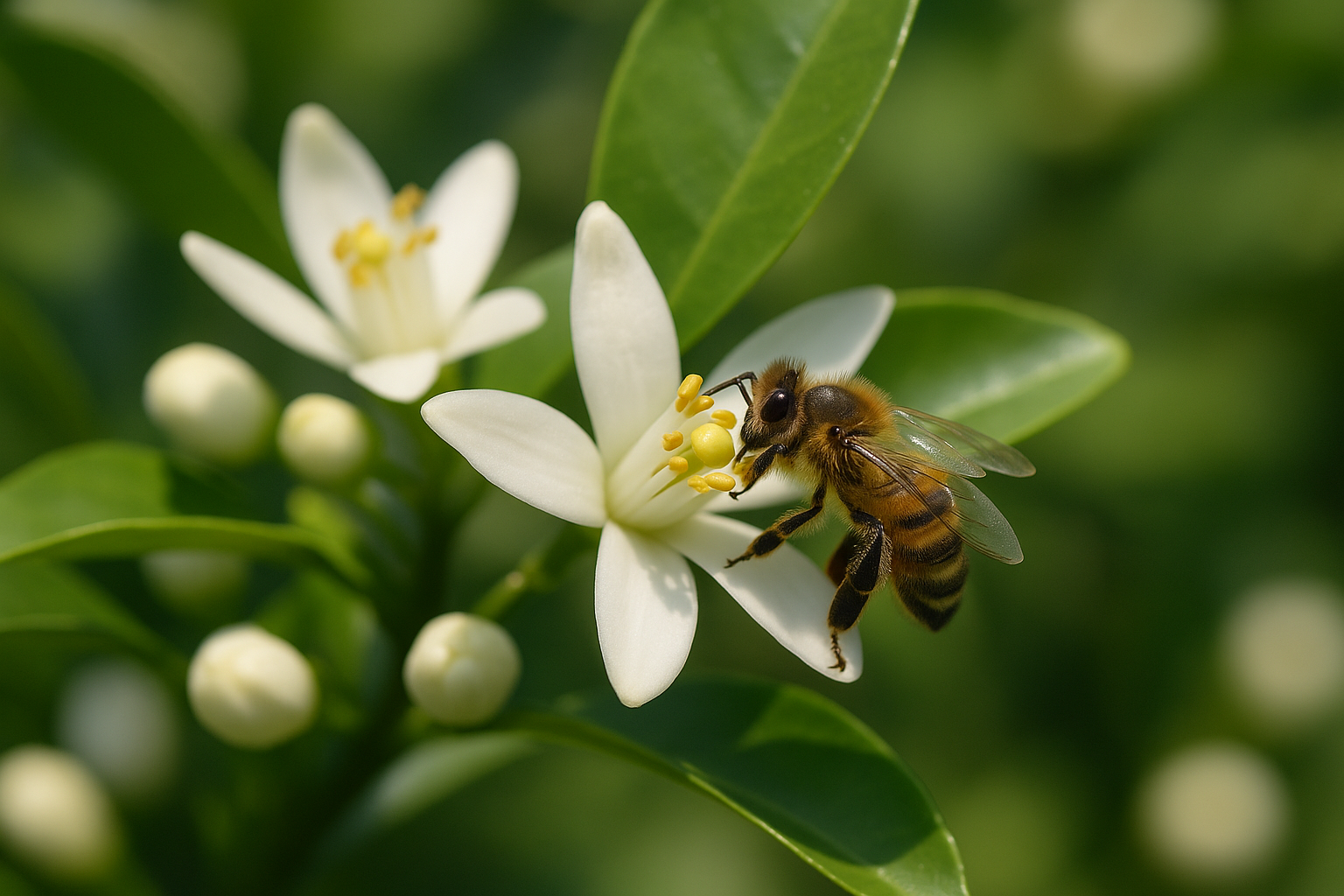
In the face of rapid environmental destabilization and the relentless evolution of pathogens, the maintenance of a single “pure” lineage can be a fast-track to extinction. Within the genus Apis, the ongoing process of hybridization is far more than genetic contamination; it is the reconstruction of “genetic resilience” by the superorganism to withstand the rigors of the Anthropocene. From the formidable vitality of Africanized Honey Bees (AHB) to the localized adaptations of feral colonies, the heterosis (hybrid vigor) resulting from crossbreeding serves as a vital anchor, preventing the total collapse of the lineage in a fracturing ecosystem.
🐝 Table of Contents
- 🧬 1. The Africanized Paradigm — Success through Aggressive Adaptation
- 🌪️ 2. Feral Resilience — The Genetic Reservoir of Wild Colonies
- ⚖️ 3. Heterosis vs. Homogeneity — The Buffer against Uncertainty
- 🌍 4. Adaptive Introgression — Breeding for the Future
- ✨ A Poetic Reflection
🧬 1. The Africanized Paradigm — Success through Aggressive Adaptation
The unintended spread of Africanized Honey Bees (AHB)—a hybrid between the East African A. m. scutellata and European subspecies—is often cited as a cautionary tale. However, from an evolutionary perspective, AHB represents one of the most successful terrestrial colonizations in history. Their resilience stems from a suite of traits often lost in domesticated lines:
- Varroa Resistance: AHB exhibit superior hygienic behaviors, actively grooming mites off themselves and their nestmates, and detecting infested brood more efficiently than their European counterparts.
- High Mobility: Their propensity for frequent swarming and absconding allows them to escape localized environmental stressors and resource scarcities, a trait that makes them highly adaptable to shifting climates.
🌪️ 2. Feral Resilience — The Genetic Reservoir of Wild Colonies
While managed apiaries often rely on a narrow genetic base of “breeder queens,” feral (wild-living) colonies are emerging as critical reservoirs of genetic diversity. In isolated pockets of forest, these survivors have undergone intense natural selection for “Varroa-Sensitive Hygiene” (VSH) and pesticide metabolism.
Through the “genetic stirring” that occurs during drone congregation flights (see Episode 17), these feral genes are introduced into the managed pool. This spontaneous influx of wild DNA provides a rapid evolutionary response to environmental pressures that anthropogenic breeding programs cannot match, turning the “wild” into a laboratory of resilience.
⚖️ 3. Heterosis vs. Homogeneity — The Buffer against Uncertainty
A central tension exists between the conservation of “pure” indigenous subspecies and the acceptance of adapted hybrids. While preserving historical lineages is vital for biodiversity, genetic homogeneity is a liability in a changing world. Heterosis, or hybrid vigor, often leads to offspring with superior immune responses and broader foraging ranges.
In a world defined by phenological mismatches (shifts in blooming times), a diverse genetic toolkit allows different individuals within a single colony to respond better to varied floral sources. This “genetic noise” acts as a buffer, ensuring that the superorganism’s survival is not tied to a single, fragile environmental variable.
🌍 4. Adaptive Introgression — Breeding for the Future
Modern melittology is increasingly moving toward “adaptive introgression”—deliberately incorporating genes from diverse populations to enhance hardiness. By selecting for traits from honeybees adapted to extreme heat, high altitudes, or specific parasite loads, we are essentially helping Apis mellifera rewrite its own biological ledger. The future of the hive depends on its ability to remain a “genetic mosaic,” blending the wisdom of the past with the necessities of an unpredictable future.
✨ A Poetic Reflection
It is a rugged signature of life, written by shattering the cage of purity and igniting the sparks of disparate lineages.
🐝→ Next Post (Apis 30: The Echoes of the Hive)
🐝← Previous Post (Apis 28: Neurotoxins and Paradigms)
🐝→ Back to Series: The Apis Records
コメント