Bears are the ultimate cartographers of the natural world. They do not wander aimlessly; instead, they possess an intricate mental map of their environment, defined by seasonal food sources, secure denning sites, and the invisible boundaries of their peers. From the desolate Arctic floes to the dense Andean cloud forests, a bear’s range is a reflection of its survival needs.
The concept of “home” for a bear is vast and fluid. Unlike territorial animals that defend a strict perimeter, bears often occupy overlapping “home ranges,” where coexistence is managed through a complex language of scents and avoidant behavior. Understanding their spatial ecology is key to understanding how they survive in an increasingly fragmented world.
🐻 Table of Contents
- 🌍 1. Global Distribution — From the Equator to the Pole
- 🗺️ 2. Home Ranges vs. Territories — The Fluid Boundaries
- 🏔️ 3. Habitat Diversity — Forests, Mountains, and Tundra
- 🚧 4. Fragmentation and Connectivity — The Modern Challenge
- 🐾 A Poetic Reflection
🌍 1. Global Distribution — From the Equator to the Pole
While often stereotyped as inhabitants of the snowy north, the eight species of bears are distributed across a staggering variety of latitudes.
- The Arctic Frontier: The Polar Bear occupies the highest latitudes, living almost entirely on sea ice.
- Temperate Dominance: The Brown Bear and American Black Bear cover the largest longitudinal spans, from North America through Europe and across Northern Asia.
- Equatorial Specialists: The Sun Bear and Sloth Bear thrive in the tropical heat of Southeast Asia and the Indian subcontinent.
- The Southern Exception: The Spectacled Bear is the only species found in the Southern Hemisphere, inhabiting the rugged Andes Mountains.
🗺️ 2. Home Ranges vs. Territories — The Fluid Boundaries
In the world of bears, the term “Territory” is often a misnomer. They typically maintain **Home Ranges**, which are areas where they spend most of their time but do not necessarily defend exclusively.
- Size Variability: A home range can vary from a few square miles for an American Black Bear in a lush forest to thousands of square miles for a Polar Bear searching for seals.
- Sexual Dimorphism in Space: Adult males typically maintain ranges that overlap with several females to maximize breeding opportunities.
- Social Hierarchy: Dominant individuals claim the “prime real estate”—the areas with the highest density of high-calorie food, such as salmon-rich riverbanks.
🏔️ 3. Habitat Diversity — Forests, Mountains, and Tundra
The “Bear 7” series explores how different species have specialized in their respective biomes.
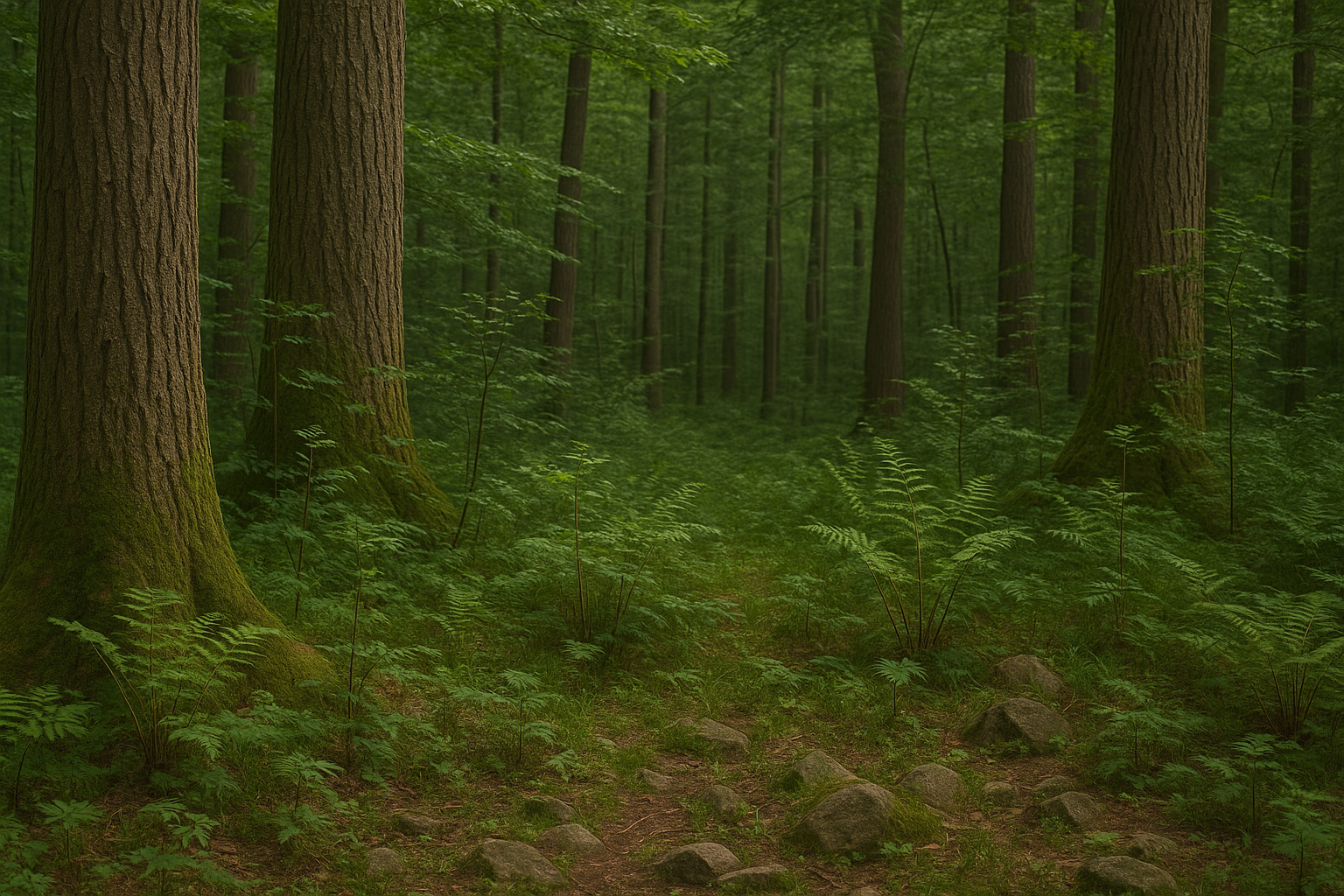
- Forest Dwellers: Black bears are masters of the vertical world, utilizing trees for safety and food. Their ranges are often defined by the density of the canopy.
- Alpine Masters: Grizzly bears and Spectacled bears utilize elevation to track the “green-up” of vegetation, moving up and down mountainsides as the seasons change.
- The Edge Effect: Bears are often attracted to “ecotones”—the boundaries between two habitats (e.g., where the forest meets a meadow)—because these areas offer the highest biological diversity.
🚧 4. Fragmentation and Connectivity — The Modern Challenge
Today, the greatest threat to a bear’s range is not the loss of a single forest, but the fragmentation of their path.
- Isolation Risks: When roads or cities cut through a range, bear populations become genetically isolated, leading to long-term survival risks.
- Wildlife Corridors: Modern conservation focuses on “connecting” ranges, allowing bears to migrate safely between protected areas.
- The Human-Wildlife Interface: As human development encroaches on traditional ranges, bears are forced into closer proximity with people, leading to increased conflict.
🐾 A Poetic Reflection
A bear does not own the land; it belongs to the mountain’s shadow, the river’s curve, and the wind’s ever-shifting direction.
🐻→ Next Post (Bear 8: Cognitive Complexity)
🐻← Previous Post (Bear 6: The Physiology of Survival)
🐻🏠 Series Overview: Bears
コメント