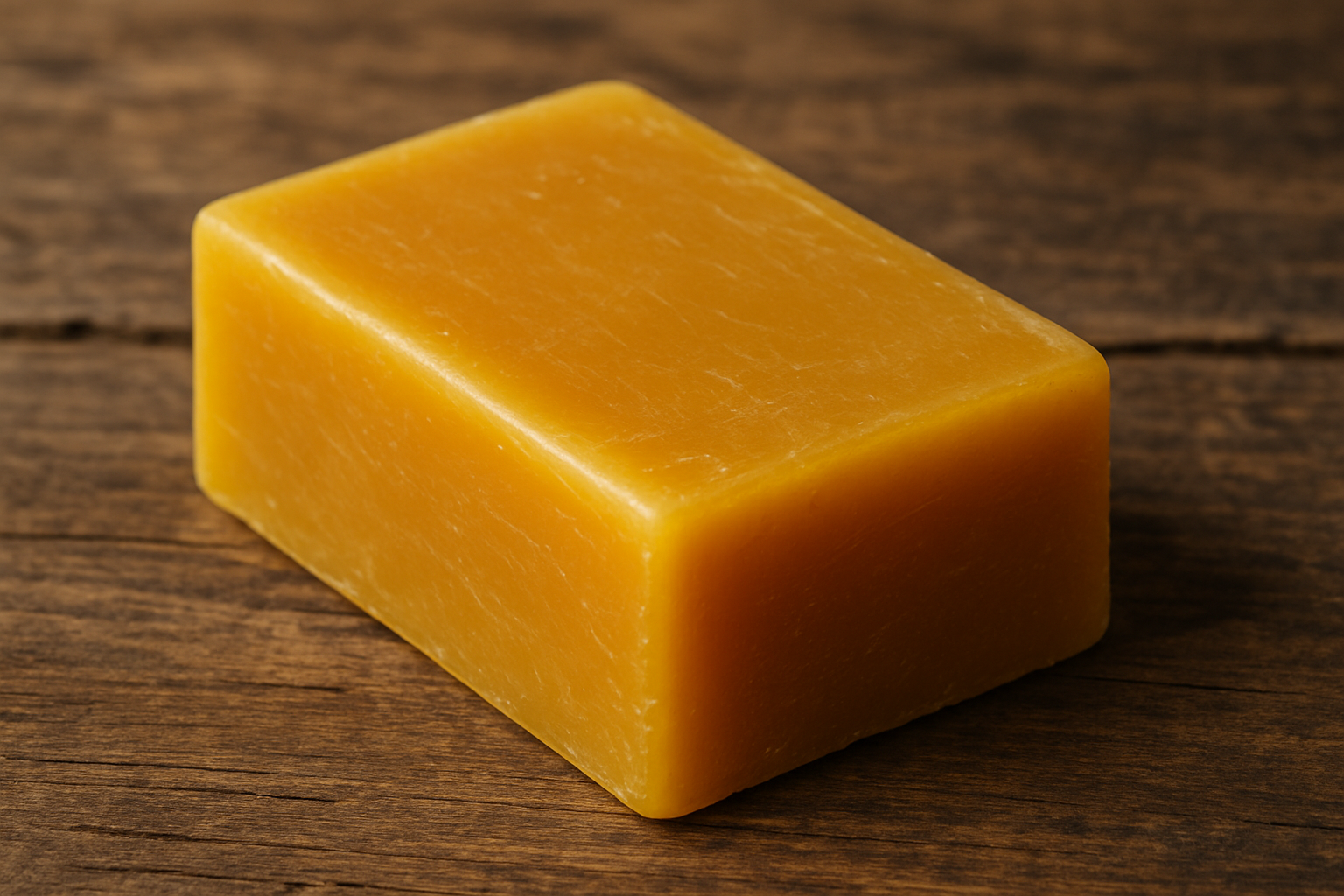
In the high-humidity, high-temperature environment of the hive—a setting that would typically serve as a fertile breeding ground for pathogens—the honeybee has engineered a “social immune system” that transcends the individual biological shell. This is the Resin Shield: Propolis. By selectively harvesting secondary metabolites from botanical resins and integrating them with their own enzymes, Apis has created a biochemical envelope. It is an outsourced pharmacological defense, a decentralized immune response that ensures the sanctity of the superorganism.
🐝 Table of Contents
- 🛡️ 1. The Propolis Envelope — A Social Immune Organ
- ⚗️ 2. Pharmacognosy — Harvesting Botanical Weaponry
- ⚰️ 3. Biological Embalming — The Mummification of Intruders
- 🧬 4. Immunological Sparing — The Metabolic Advantage
- ✨ A Poetic Reflection
🛡️ 1. The Propolis Envelope — A Social Immune Organ
In natural hollows, honeybees do not merely patch holes with propolis; they construct a continuous “envelope” that lines the entire interior surface of the nest. This structure functions as an external immune organ. By coating the walls in this resinous layer, the colony creates a persistent antimicrobial microclimate. Volatile compounds from the propolis diffuse into the air, suppressing the proliferation of fungal spores and bacteria like Paenibacillus larvae, effectively sterilizing the environment before pathogens can contact individual bees.
⚗️ 2. Pharmacognosy — Harvesting Botanical Weaponry
The collection of propolis is a highly selective act of pharmacognosy. Foragers target the resins of specific trees, such as Populus (poplars) and Conifers, which contain high concentrations of flavonoids and phenolic esters. These chemicals are the tree’s own defense against infection. The bees refine these substances with mandibular secretions, creating a synergistic cocktail that inhibits bacterial DNA gyrase and disrupts cytoplasmic membranes. Through this process, the superorganism adopts millions of years of plant evolution to supplement its own defensive repertoire.
⚰️ 3. Biological Embalming — The Mummification of Intruders
When an intruder too large to be removed—such as a small rodent or a large moth—perishes within the hive, it poses a catastrophic risk of putrefaction and sepsis. The bees respond with a surgical solution: biological mummification. They encase the carcass in a thick layer of propolis. The high concentrations of cinnamic acid and other preservatives within the resin inhibit decay, sealing the contaminant in a sterile, airtight tomb. This is a form of collective encapsulation, neutralizing an internal threat that the individual could never master.
🧬 4. Immunological Sparing — The Metabolic Advantage
The most profound effect of the Resin Shield is “immunological sparing.” Maintaining a robust internal immune system—complete with hemocytes and antimicrobial peptides—is metabolically expensive for an individual bee. Recent genomic studies reveal that bees living in hives with a rich propolis envelope show significantly lower expression of individual immune genes. By investing in the social architecture of propolis, the colony reduces the biological “upkeep” required by each worker, allowing metabolic energy to be reallocated toward brood rearing and foraging efficiency.
✨ A Poetic Reflection
It is the forest’s tears turned to armor, binding ten thousand lives within a single, sterile sanctuary of silence.
🐝→ Next Post (Apis 26: Ancient Apiaries)
🐝← Previous Post (Apis 24: The Pollen Press)
🐝→ Back to Series: The Apis Records
コメント