| Prehistoric Overview | |
|---|---|
| Geologic Epoch | Pleistocene (approx. 2.5 million to 11,700 years ago) |
| Notable Species | Giant Short-faced Bear, Cave Bear, Florida Spectacled Bear |
| Maximum Mass | Up to 1,000 kg+ (Arctodus simus) |
| Primary Cause of Extinction | Climate shift (End of Ice Age) and competition with early humans. |
The modern bears we know today are but a fragment of a once-vast lineage of titans that ruled the Pleistocene landscape. During the last Ice Age, the family Ursidae produced some of the most formidable terrestrial predators and specialized herbivores ever to walk the Earth. These were the true “Ice Age Giants”—creatures that defined the wilderness before the rise of modern human civilization.
From the long-legged “running bear” of North America to the massive, cave-dwelling vegetarians of Europe, their extinction remains one of the great mysteries of paleontology. By studying these lost giants, we gain a deeper understanding of the ecological limits of the bear family and the fragile nature of apex survival.
🐻 Table of Contents
- 🦴 1. Arctodus simus — The Giant Short-faced “Running” Bear
- 🦇 2. Ursus spelaeus — The Mythic Cave Bear
- 🧬 3. The DNA of Extinction — Why the Giants Perished
- 🛡️ 4. The Last Relatives — Living Fossils in the Modern World
- 🐾 A Poetic Reflection
🦴 1. Arctodus simus — The Giant Short-faced “Running” Bear
In North America, the Giant Short-faced Bear was the undisputed king of the plains. Standing over 3.5 meters tall when on its hind legs, it was significantly larger than any modern Polar Bear.
- Anatomy of a Pursuit Predator: Unlike modern bears, Arctodus had long, slender limbs designed for efficient movement across open grasslands. While debated, some scientists believe it was capable of reaching speeds that allowed it to scavenge or actively hunt the megafauna of the time.
- The Short Face: Its name comes from a shortened snout and deep jaw, which provided massive bite force and an incredibly wide gape, likely used to crush the bones of large prey.
- Hyper-Carnivory: Nitrogen isotope analysis suggests that this bear was almost entirely carnivorous, a sharp contrast to the generalist strategy of modern Brown bears.
🦇 2. Ursus spelaeus — The Mythic Cave Bear
While Arctodus ruled the west, the Cave Bear dominated the rugged landscapes of Europe. Their remains have been found in such abundance in limestone caves that early Europeans once mistook their skulls for those of dragons.
- The Herbivorous Giant: Despite its terrifying size (roughly 30% larger than a modern Grizzly), the Cave Bear was almost exclusively vegetarian. Its teeth were specialized for grinding tough plants and roots found near the forest edges.
- Winter Vulnerability: The name “Cave Bear” comes from their habit of hibernating in deep caves. Many of the skeletons we find today are of individuals that simply failed to survive the long winter, dying in their sleep.
- Cultural Connection: There is evidence that Neanderthals and early Homo sapiens interacted with these bears, possibly even venerating them in early “bear cults.”
🧬 3. The DNA of Extinction — Why the Giants Perished
Approximately 11,000 to 25,000 years ago, these giants began to vanish. Their extinction was likely a “perfect storm” of biological and environmental factors.
- Climate Instability: As the Ice Age ended, the stable environments these specialists relied on—the open tundra-steppes and dense ancient forests—began to fragment and shift.
- Nutritional Specialization: The very traits that made them successful (like the Cave Bear’s strict herbivory or the Short-faced Bear’s extreme size) became liabilities when food sources disappeared.
- The Human Factor: Early humans were not just competitors for food; they were increasingly effective hunters. The loss of high-quality cave sites to human occupation may have dealt the final blow to the Cave Bear lineage.
🛡️ 4. The Last Relatives — Living Fossils in the Modern World
Although the giants are gone, their DNA lives on in subtle ways. The **Spectacled Bear** of South America is the only remaining branch of the Tremarctinae subfamily, making it the closest living link to the Giant Short-faced Bear.
Furthermore, genetic studies show that ancient Cave bears and early Brown bears may have occasionally interbred, leaving trace amounts of “cave bear DNA” in the genomes of some modern European Brown bear populations—a ghostly echo of a lost world.
🐾 A Poetic Reflection
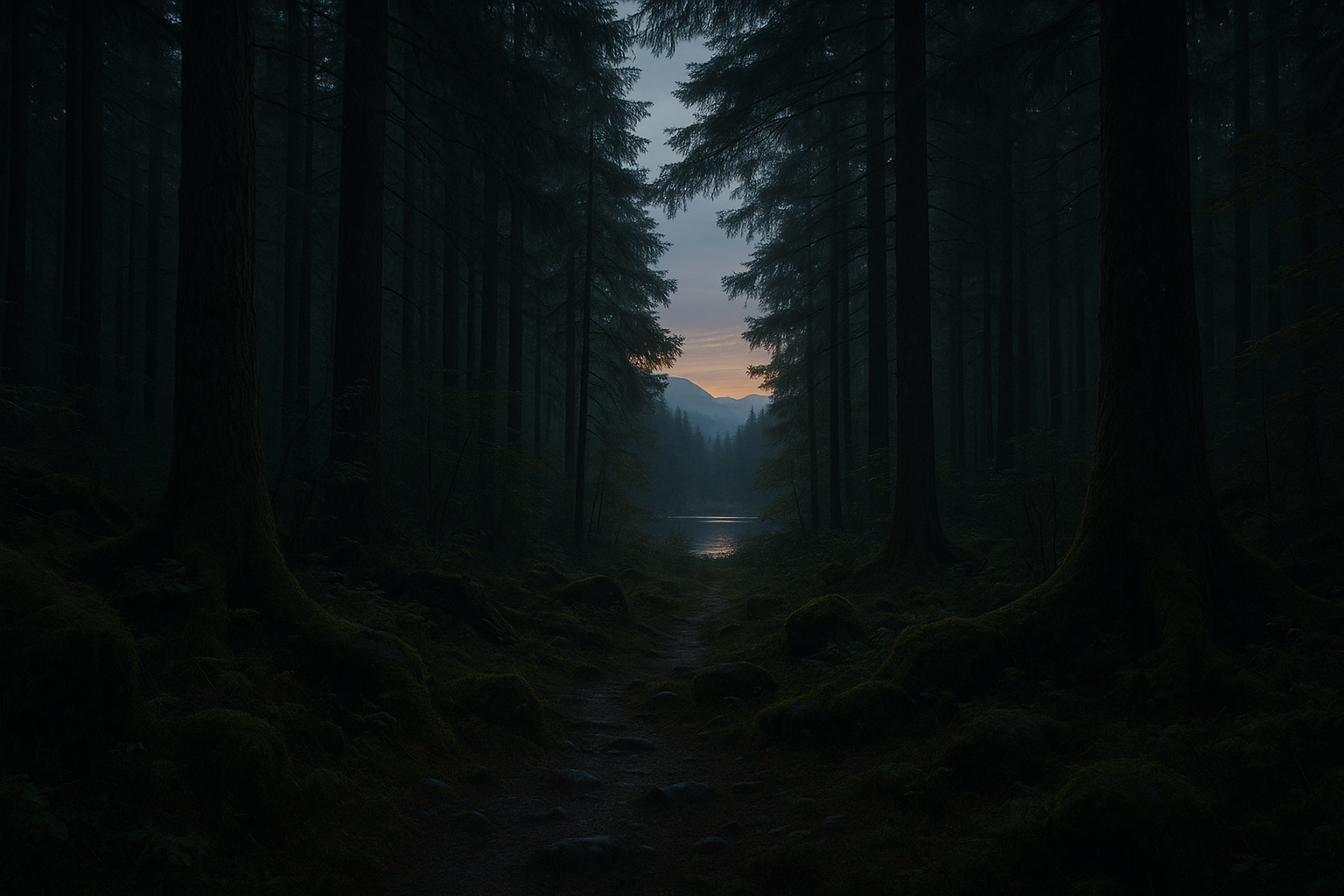
The earth still hums with the memory of their heavy tread, a phantom weight beneath the roots of forests that grew over their graves.
🐻→ Next Post (Bear 22: Indigenous Wisdom and Totems)
🐻← Previous Post (Bear 20: The Giant Panda)
🐻🏠 Series Overview: Bears


コメント