As we conclude this deep dive into the world of the family Ursidae, we find ourselves at a critical crossroads. The bear has survived the transition from the Ice Age to the Silicon Age, adapting its diet, its body, and its behavior to a world that is becoming increasingly small and crowded. Yet, the challenges of the next century will be the most demanding in their 20-million-year history. The future of the bear is no longer written in the stars; it is written in the choices of humanity.
To envision a future for bears is to envision a future for the wild itself. They are the ultimate indicator species—if there is enough room for the bear to roam, there is enough room for the soul of the wilderness to persist. In this final chapter, we look beyond the current crises to the long-term outlook for these titans of the earth.
🐻 Table of Contents
- 🌐 1. The Connectivity Vision — Rewilding the Continents
- 🧬 2. Genetic Resilience — The Promise of Modern Science
- 🤝 3. Cultural Shift — From Fear to Respectful Distance
- 🏔️ 4. The 100-Year Outlook — A World Still Wild
- 🐾 A Poetic Reflection
🌐 1. The Connectivity Vision — Rewilding the Continents
The survival of large carnivores like bears depends on the ability to move. The future of conservation is shifting from “islands of protection” to “connected landscapes.”
- Continental Corridors: Initiatives like the “Yellowstone to Yukon” (Y2Y) corridor aim to create a continuous wild link across thousands of miles. This allows bears to shift their ranges as the climate changes, ensuring they can follow the food.
- Restoring the Lost Ranges: In Europe and parts of North America, rewilding projects are reintroducing bears to areas where they were extirpated centuries ago, restoring ecological balance to ancient forests.
🧬 2. Genetic Resilience — The Promise of Modern Science
As we saw in Chapter 26, our technological toolkit is expanding. We are no longer guessing at the health of populations; we are managing them with digital precision.
- Genetic Rescue: For isolated populations (like the brown bears of the Pyrenees), science may eventually allow for “genetic rescue”—introducing individuals from other regions to prevent the collapse of a lineage.
- Predictive Modeling: AI and climate modeling now allow us to predict which habitats will become “climate refugia” in 50 years, giving us a roadmap of where to focus our protection efforts today.
🤝 3. Cultural Shift — From Fear to Respectful Distance
The ultimate survival of the bear depends on the human heart. We are moving toward a new era of “shared space.”
- The End of the Monster: Through education, the archetype of the “man-eating beast” is being replaced by an understanding of the “thinking predator.” This reduces the demand for lethal removal and increases support for bear-aware policies.
- Indigenous Leadership: Modern conservation is increasingly looking back to the “Indigenous Wisdom” discussed in Chapter 22, integrating ancient respect with modern data to manage the land.
🏔️ 4. The 100-Year Outlook — A World Still Wild
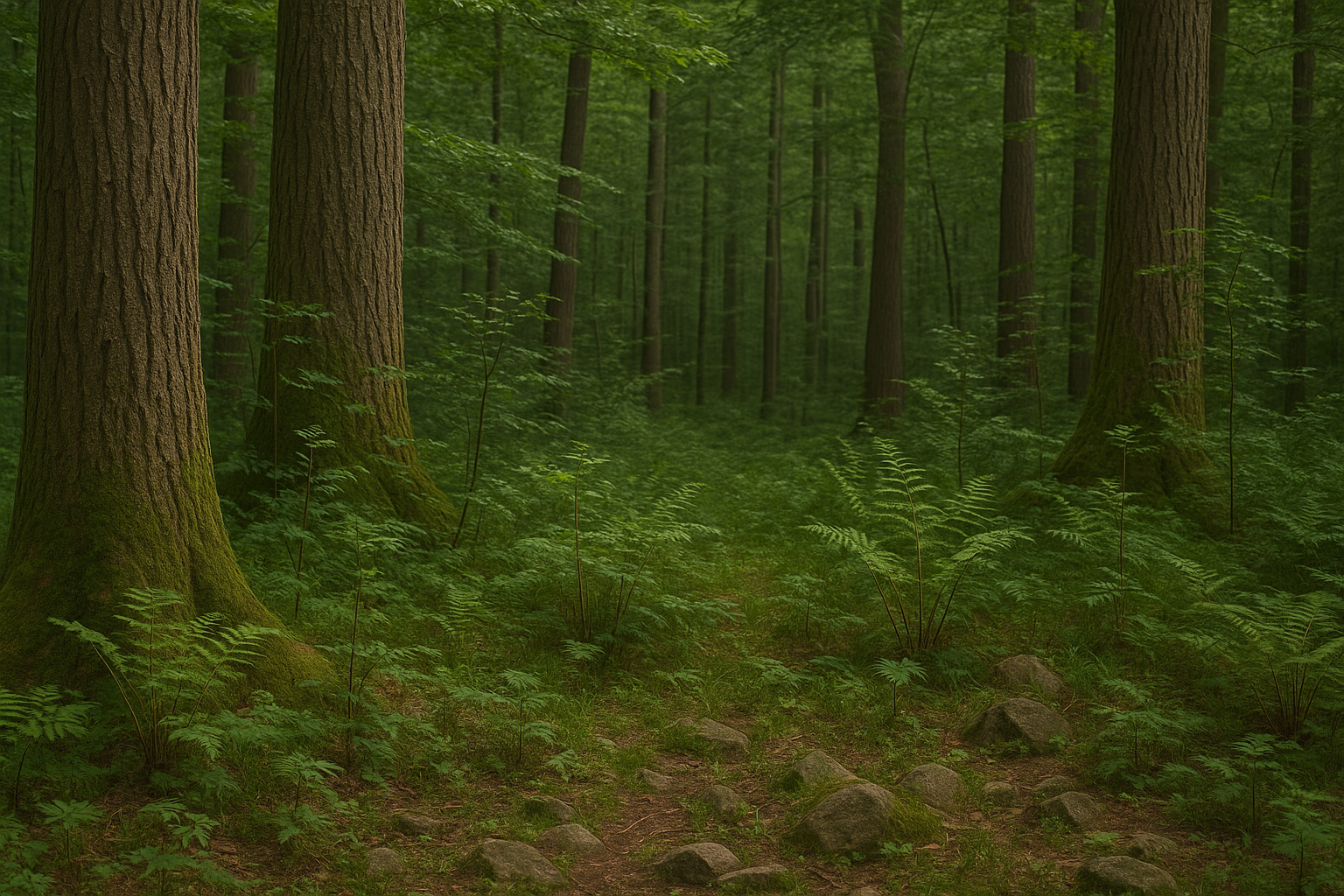
What does the world look like for a bear cub born in the year 2126? While the Polar Bear faces an existential threat to its sea-ice home, generalists like the Brown and Black bears have shown an incredible capacity for resilience.
If we can maintain the integrity of our forests, manage our resources with restraint, and build our cities with “wildlife bridges” in mind, the bear will continue to be our neighbor. They are a species that demands we be our best selves—organized, respectful, and mindful of the boundaries of others.
🐾 A Poetic Reflection
As long as there is a mountain peak untouched by the light of the city, the bear will be there, a heavy and holy shadow keeping watch over the silence of the world.
🐻← Previous Post (Bear 29: Coexistence in the Anthropocene)
🐻🏠 Series Overview: The Bear Series (Complete)

コメント