Physiology

Insecta

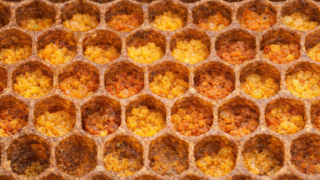
The Pollen Press — Biochemical Fermentation of Bee Bread

Discover how honeybees turn raw pollen into nutrient-rich bee bread. Explore the lactic acid fermentation process, microbial symbiosis, and exine degradation.
Insecta
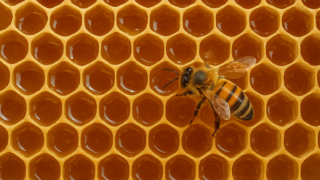
The Enzyme Laboratory — Conversion of Nectar to Sugars

Explore the biochemistry of honey production. Learn about invertase, glucose oxidase, and the active dehydration process that turns nectar into stable honey.
Uncategorized

Thermodynamic Control — Social Homeostasis and Ventilation

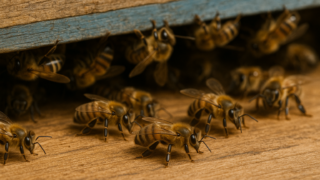
Discover how honeybees maintain a constant hive temperature of 35°C through shivering thermogenesis, winter clustering, and active evaporative cooling.
Insecta

The Toxic Barometer

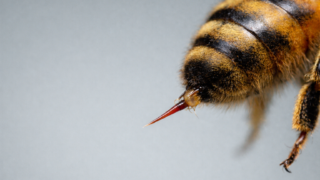
Dive into the biomechanics of the honeybee stinger. Explore apitoxin biochemistry, the role of melittin, and the autonomous venom pump mechanism.
Insecta

The Chitin Armor

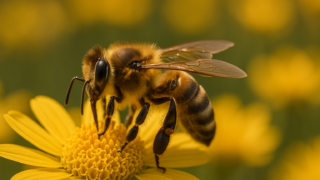
Explore the anatomical engineering of Apis. Learn about the chitinous exoskeleton, the role of exocrine glands, and how cuticular hydrocarbons serve as social IDs.
Mammalia

The Physiology of Survival — A Medical Deep Dive into Hibernation

Dive into the medical marvel of bear hibernation. Discover how bears prevent muscle atrophy, bone loss, and kidney failure during their months of winter torpor, and what this means for the future of human medicine.
Mammalia

Anatomical Engineering — The Mechanics of Survival

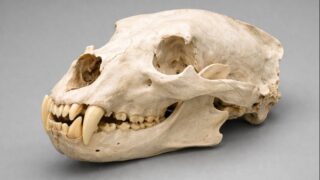
Explore the incredible anatomy of bears (Ursidae). From plantigrade locomotion and the Grizzly's muscle hump to the dexterity of their forepaws, discover the biological engineering that enables their survival.